Natural medicine for cystitis Cystolax Effectively eliminates inflammation of the bladder.Therapists and urologists in Romania regularly prescribe it to their patients.
 Each package of the drug has instructions describing its pharmacological properties and a description of how to use the medicine.The onset of the therapeutic effect depends on the proper technique.
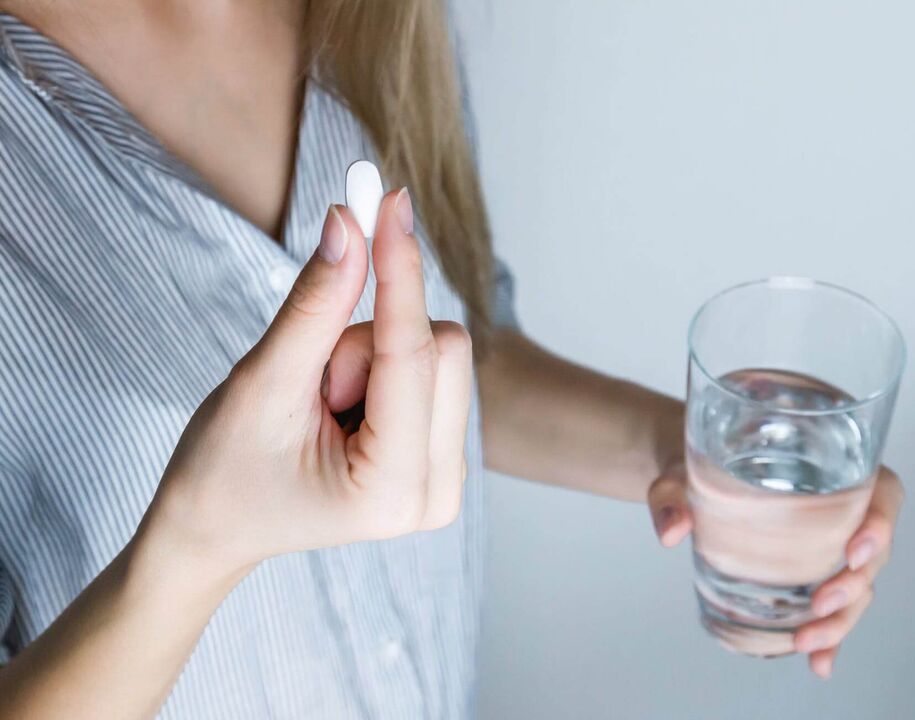
You should drink 2 capsules a day.You should take them half an hour before meals, washed with a glass of stationary water.The course of treatment is at least 10 days, without rest.The doctor may extend the use of the medicine with appropriate indications.
Experts praised the capsules and recommended them to elderly men and women of any age who have encountered cystitis and have a tendency for diseases of the genius system.
Due to its natural composition Cystolax It is well tolerated by patients.Contraindications to the use of capsules:
The composition of the drug is unique and there are no analogues in the world. Cystolax Contains 50 times the natural antibiotic D-mannose than red blueberries.Thanks to this, the drug with cystitis fights pathological microorganisms without killing beneficially and without harm to the body.With blood flow, D-manosis enters the kidneys and from there to urine.
The urine containing D-mannose passes into the bladder.Its tissues are covered with glucose so that the bacteria of the essay sticks cannot "stick" to the tissues and are excreted in urine.
Cystolax Contains natural components.It can be used as an independent tool or in combination with other medicines.There are no chemically synthesized substances, hormones, dyes and preservatives in the capsules.Doctors prescribe capsules for:


